Understanding the psychological effects of gambling Why your mind plays tricks on you
The Allure of Gambling
The world of gambling is undeniably captivating, drawing millions of individuals into its mesmerizing depths. This allure is often fueled by the thrill of potentially winning substantial amounts of money, which can create a euphoric rush. The excitement is heightened by the environment of casinos or online platforms that expertly design experiences to appeal to our senses, making it difficult to resist the temptation to play. It’s essential for players to be aware of options like the best casino online australia that provide enjoyable experiences without losing control. It’s not just about the money; the social interactions and the atmosphere contribute to the overall experience, making it more enticing.

However, this allure can be deceptive. The initial wins that some gamblers experience can lead them to believe they possess greater control over the outcomes than they actually do. This misconception, often referred to as the “gambler’s fallacy,” leads individuals to believe that past outcomes can influence future results. For instance, if someone wins several times in a row, they may convince themselves that their luck is a result of skill rather than chance, prompting them to play longer and invest more money.
Moreover, the design of games often exploits psychological triggers. Bright lights, sounds of coins clinking, and enticing graphics are not just for entertainment; they are strategically employed to keep players engaged. The more people play, the more susceptible they become to making impulsive decisions that often lead to further losses. Understanding this psychological manipulation can help individuals recognize when they are being drawn in by these tactics and potentially mitigate harmful gambling behaviors.
The Role of Luck and Chance
At the core of gambling lies the element of luck, which can significantly influence a player’s mindset. Many individuals enter games believing that luck is a controllable factor, blurring the lines between chance and skill. This belief can lead to a phenomenon known as “illusion of control,” where players feel they can influence outcomes through specific behaviors or rituals, such as wearing lucky clothing or using favorite betting numbers. Such rituals provide a sense of empowerment but can also lead to irrational decision-making.
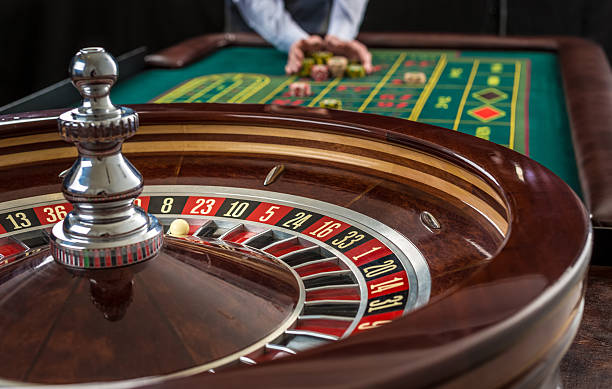
The randomness of gambling outcomes, especially in games of chance like slot machines and roulette, means that luck plays a pivotal role. Yet, players often misunderstand this randomness, attributing their losses to external factors rather than accepting that luck is simply unpredictable. This misunderstanding can cause frustration and denial, fueling a cycle where individuals continue to gamble in the hopes that their luck will eventually turn around. Recognizing the true nature of luck can help mitigate these feelings of frustration and reduce the likelihood of compulsive behavior.
The Impact of Cognitive Biases
Cognitive biases are mental shortcuts that can lead to distorted thinking, particularly in gambling contexts. One common bias is the “availability heuristic,” where individuals overestimate the likelihood of events based on recent experiences. For instance, if a player recently heard about someone winning a jackpot, they may perceive their own chances of winning as higher than they actually are. This misjudgment can lead to an increased desire to gamble, often resulting in more significant financial losses.
Another significant cognitive bias is the “confirmation bias,” where gamblers seek out information that supports their pre-existing beliefs while ignoring contradictory evidence. For example, a gambler who believes they are “due” for a win may only focus on past wins, disregarding the many times they lost. This selective thinking can lead to overconfidence and an inability to recognize the realities of their gambling patterns, further entrenching them in harmful behaviors.
These cognitive biases create a vicious cycle, where irrational beliefs about gambling reinforce continued play, often despite evidence to the contrary. Being aware of these biases can help individuals critically evaluate their gambling habits and understand when their thinking might be skewed. Such self-awareness is essential for making healthier choices and setting realistic expectations regarding gambling outcomes.
The Emotional Rollercoaster of Gambling
The emotional journey of gambling can be extreme, oscillating between the highs of winning and the lows of losing. Winning can bring about feelings of euphoria and excitement, leading individuals to chase that high again, often resulting in a cycle of compulsive gambling. However, the lows, characterized by regret, shame, and anxiety, can be equally intense, potentially leading to severe mental health issues. The emotional stakes of gambling create an environment where individuals feel trapped, unable to break free from the cycle.
These emotional responses are often exacerbated by social and environmental factors. For example, peer pressure or societal expectations can contribute to an individual’s gambling choices. The need to fit in or seek validation from others can lead to overindulgence in gambling activities, even when individuals are aware of the potential risks. Additionally, the stress of financial losses can further compound feelings of guilt and hopelessness, making it challenging to step away from gambling.
Understanding the emotional effects of gambling is crucial for developing strategies to cope with its challenges. Individuals need to recognize when they are making decisions based on emotional states rather than rational thought. By employing mindfulness techniques or seeking support from friends or professionals, gamblers can better navigate their emotional landscape and make healthier choices in their gambling behaviors.
Your Path to Responsible Gambling
For those looking to enhance their gambling experience responsibly, it’s essential to find platforms that prioritize user safety and transparency. The premier online casino platforms provide detailed ratings and evaluations, helping users make informed choices. Such platforms aim to create a safe environment where players can enjoy their gaming experience without falling prey to the pitfalls of gambling addiction.
By offering extensive insights into various games and responsible gambling practices, these platforms empower players to take control of their gambling habits. They provide resources that educate users about the psychological aspects of gambling, enabling them to recognize when their mindset might be leading them astray. Through community support and clear guidelines, players can engage in gambling as a form of entertainment rather than a source of stress.
Ultimately, understanding the psychological effects of gambling is essential for fostering a healthy relationship with gaming. By prioritizing informed decision-making, awareness of cognitive biases, and emotional regulation, players can enjoy the thrilling world of gambling while minimizing risks. Engaging with trusted online platforms not only elevates the gaming experience but also promotes responsible gambling habits that contribute to long-term enjoyment.